Politics
Chicago-Area Public Transit Leaders Call for Funding Boost, Push Back on Merger Proposal
Video: The WTTW News Spotlight Politics team discusses the proposal to merge Chicago-area transit agencies and more of the day’s top stories. (Produced by Andrea Guthmann)
Public transit leaders Tuesday warned that without more state funding, the Chicago area could see bus and train service slashed by 30-40% in 2026. The leaders also pushed back on a proposal from lawmakers to tie more money to a merger of CTA, Metra and Pace.
Tuesday marked the first of at least six planned hearings about the transit overhaul, proposed as part of legislation filed in May. That plan also calls for $1.5 billion in additional funding.
The merger idea was one of several options laid out in a report on regional transit prepared at the request of state lawmakers and prompted by a looming fiscal cliff when federal COVID-19 relief funding runs out — an estimated $730 million gap in 2026.
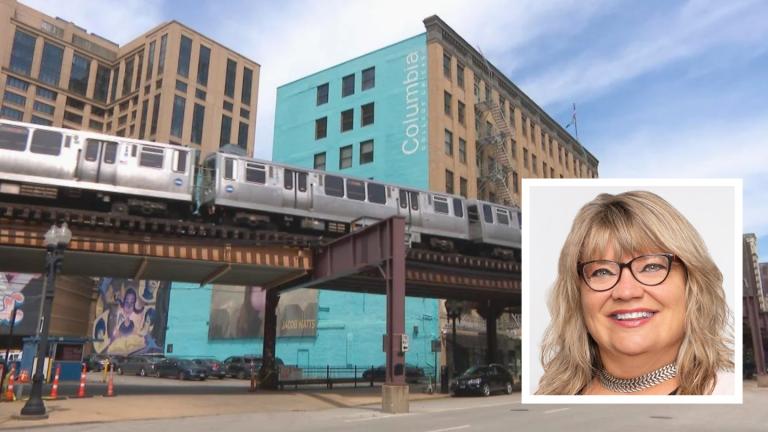
“We’ve read the report,” Pace Executive Director Melinda Metzger said. “We’re all in favor of doing what’s best for the customer. We all want to do the best job we can. I do not believe that combining us into one organization will make us better.”
The heads of the three transit agencies and chair of the Regional Transportation Authority board all acknowledged the looming cash crunch, caused by a drop in revenue due to ridership numbers that are much lower than pre-pandemic levels. But they said a transit merger wouldn’t create the cost savings advocates hope for, would reduce the impact of local input and expertise and wouldn’t do much to increase service levels. And more service, they all told lawmakers, can’t come without more funding.
RTA board chair Kirk Dillard, himself a former member of the General Assembly, told lawmakers that he’d been part of many similar debates about governance reform in past years — reforms he said have created one of the nation’s best transit systems.
“The system has enormous economic impacts despite being underfunded for decades,” Dillard said, nodding to the hearing’s focus on how transit supports the regional economy. “Funding cures most ills.”
He acknowledged further reforms, efficiencies and coordination can benefit riders, saying that “funding alone is not enough to shore up our system.” Dillard said the RTA is currently working with the three service boards on reform and accountability measures.
State Sen. Ram Villivalam (D-Chicago), chair of the state Senate’s transportation committee and one of the sponsors of the merger bill, said lawmakers likely have little appetite to provide additional money without making changes.
“There will be no votes for funding unless we address service, governance and the corresponding reforms that are needed” to create a top-tier transit system that is also “accountable and transparent,” Villivalam said.
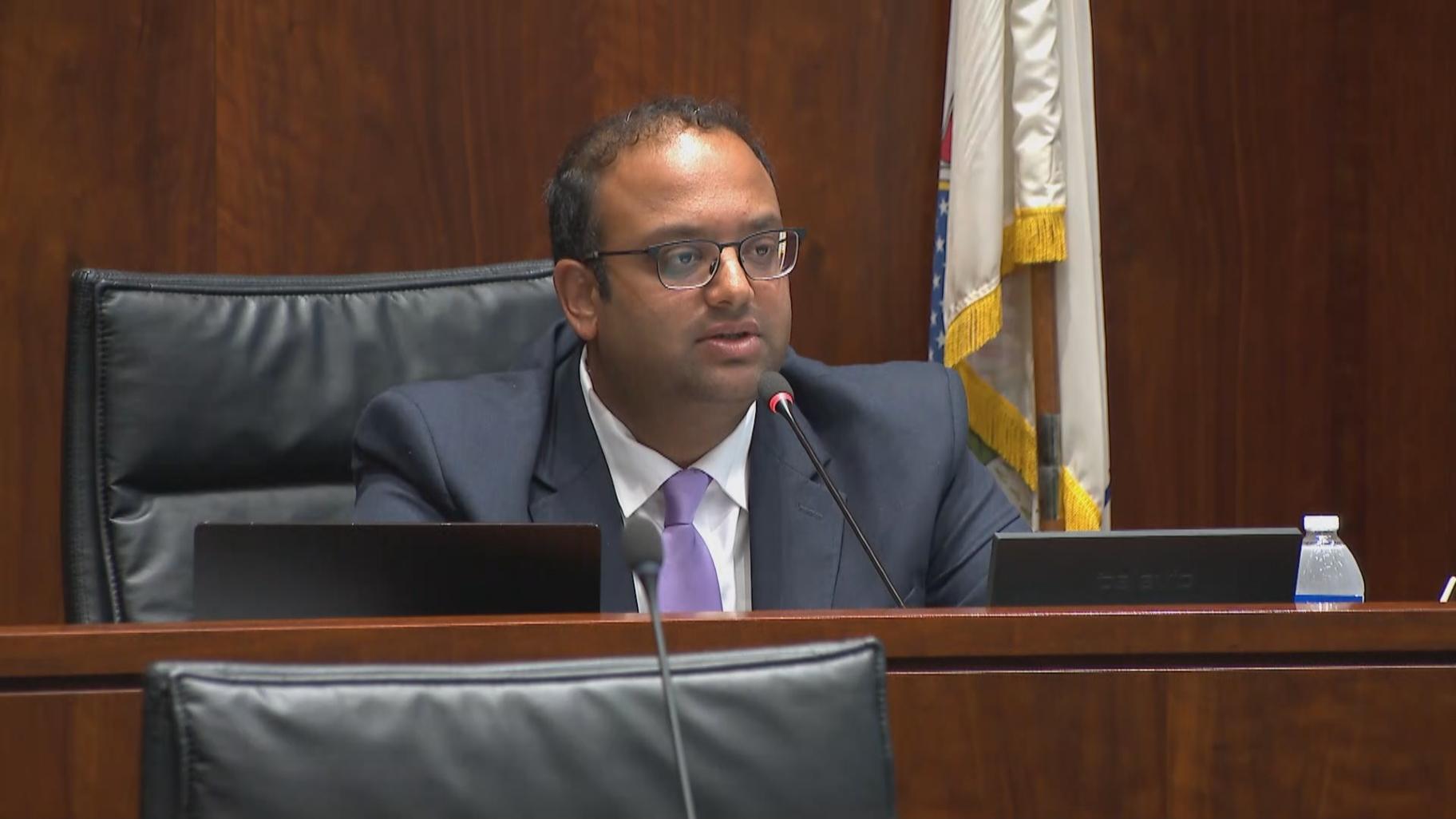 State Sen. Ram Villivalam (D-Chicago) speaks at a July 9, 2024, hearing about overhauling the CTA, Pace and Metra. (WTTW News)
CTA President Dorval Carter echoed Dillard’s remarks about transit being chronically underfunded, and expressed appreciation that lawmakers are taking up the issue of transit’s fiscal cliff.
“For more than 40 years, the inadequacy of CTA’s funding formula has been an open secret, with the can kicked down the road year after year, decade after decade,” Carter said. “The pandemic exacerbated an already troubling financial situation, but I believe that the stated commitment I’ve heard from legislators about ensuring a healthy future for transit in the Chicago region means that they truly care about rectifying this issue.”
Transit leaders talked about the challenges of drawing back riders and the key revenue they provide. Changing patterns tied to more people working from home have led to a drop in passengers on Mondays and Fridays, with some growth in ridership in the evenings, on weekends and around special events.
Metra CEO Jim Derwinski talked about how his system has been shifting schedules from a commuter rail model to a regional rail model. But he also called for more funding to increase service and address a repair backlog to keep trains running smoothly and safely.
“In short, we have to think bolder, much bolder, and the key to this is proper funding,” Derwinski said.
Transit leaders also said the service areas they cover and the types of service each system provides vary drastically, making individual entities better suited to address passenger needs. And they denied the frequently voiced complaint about a lack of coordination.
“The coordination and communication between the service boards and the RTA has probably never been better in its history,” Dillard said.
Asked how they might further work together and boost ridership in the absence of governance reforms, Carter pointed to a new daily pass that will allow riders to access CTA, Metra and Pace. That daily pass also comes with funding to backstop any loss of fare revenue, he noted. Metzger touted the impact of bus rapid transit, including allowing buses to drive on the I-55 shoulder and a stoplight system that gives buses priority when they approach an intersection.
Carter noted that he, too, has been part of many previous conversations about funding, service cuts and governance. He said major cuts due to the Great Recession have never been restored, and warned of “draconian” consequences if the state doesn’t provide adequate funding.
“We all may be victims of our own success,” Derwinski said. “We do operate the leanest system in the country. We keep making it happen when we don’t have the right resources.”
The Illinois Clean Jobs Coalition, which is backing the merger bill, said the testimony from agency leaders underscored the flaws in the current system.
“Today we heard four transit agencies defend a status quo that simply isn’t working for current or potential riders who want a system that is more safe, more reliable, and more affordable,” Dany Robles of the Illinois Clean Jobs Coalition said in a statement. “The status quo isn’t working for taxpayers who are paying for duplicate bureaucracies performing overlapping functions instead of funding one agency that improves transit across Chicagoland.”
Villivalam told the transit leaders that proposed governance reforms weren’t meant as a comment on their leadership.
“We need to explore every avenue of how the system is going to be one for the future,” Villivalam said. He told the agency heads that merger legislation may move forward “if there’s consensus,” or that things may remain status quo.
“I don’t know,” Villivalam said. “The reality though is that that question is being asked of us by our constituents, so it’s upon us to ask that.”
Find out more about the upcoming hearings here.
Contact Nick Blumberg: [email protected] | (773) 509-5434 | @ndblumberg